


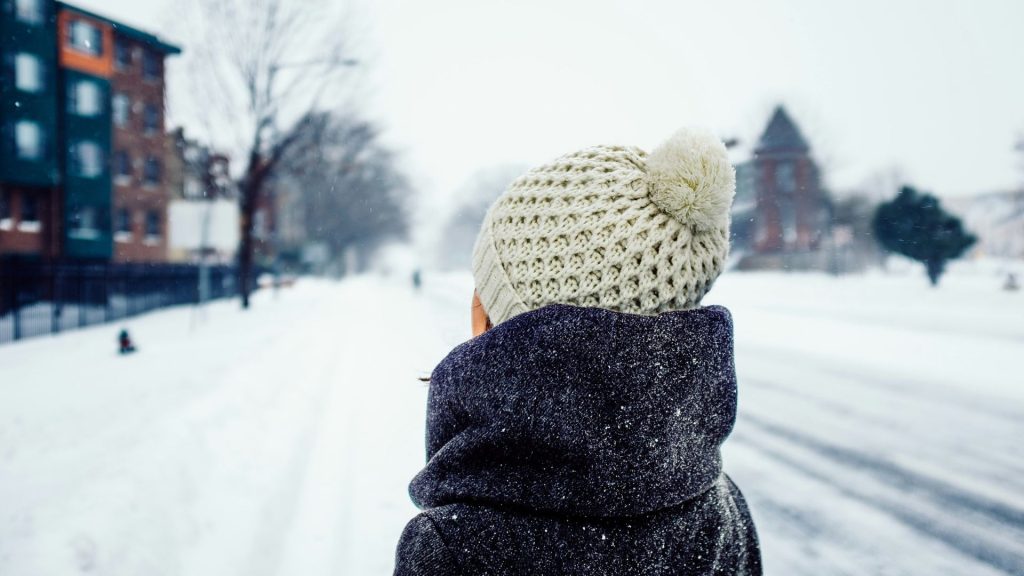
Freezing winter temperatures pose a serious threat to children living in humanitarian crises. In conflict-affected areas such as Ukraine, access to warm clothing, shelter, and heating can mean the difference between survival and life-threatening illness. This article explains why winter relief is critical for children – and how warm clothing saves lives.
As winter arrives, most families prepare by turning up the heat, putting on warm coats, and staying indoors. For children living in crisis zones, winter brings something very different. It brings heightened risk, worsening health conditions, and increased vulnerability, especially for those without adequate shelter or protective clothing.
Cold is not just uncomfortable. For children, it can be deadly.
How freezing temperatures affect children in crisis
Children are particularly vulnerable to cold weather. Their bodies lose heat faster than adults’, and prolonged exposure to low temperatures can quickly lead to serious health complications.
For children without proper shelter, winter conditions can cause:
- Hypothermia, even at temperatures above freezing
- Respiratory infections such as pneumonia and bronchitis
- Weakened immune systems due to prolonged cold and malnutrition
- Increased risk of long-term developmental and psychological harm
In conflict-affected areas, these risks are intensified. Families displaced by war often live in damaged buildings, temporary shelters, or overcrowded accommodation with little or no heating. When temperatures drop, survival becomes a daily struggle.
In Ukraine, winter conditions are especially harsh. Snow, ice, and sub-zero temperatures place immense pressure on families already coping with loss, displacement, and trauma. For many children, staying warm is not a matter of comfort – it is a matter of survival.
Why warm clothing is a form of life-saving aid
When people think of emergency aid, they often think of food or medical care. Warm clothing is sometimes overlooked, yet it plays a crucial role in protecting children during winter months.
Thermal aid helps children:
- Maintain body temperature and prevent hypothermia
- Reduce exposure-related illnesses
- Sleep more safely in cold environments
- Retain energy needed for growth and recovery
Essential winter items include insulated jackets, boots, gloves, hats, scarves, and thermal blankets. These items form a protective barrier against extreme cold, especially for children who spend long hours outdoors or in unheated spaces.
For families with limited resources, purchasing winter clothing is often impossible. Rising costs, disrupted supply chains, and displacement mean that even basic items are out of reach. This is where winter relief programs become vital.

Winter in Ukraine: a critical focus
Ukraine remains one of the most urgent winter relief priorities. Ongoing conflict has damaged infrastructure across the country, including power and heating systems. Blackouts and fuel shortages have left many families without reliable warmth during winter months.
Children living in affected areas often attend school in cold classrooms or study remotely in unheated homes. Others have lost access to education entirely. In these conditions, warm clothing is often the only protection children have against the cold.
A humanitarian worker in Ukraine recently described the situation:
“Many children we meet are wearing the same thin jackets they had in autumn. When winter arrives, those jackets are no longer enough. A warm coat and proper boots can immediately change a child’s situation.”
This reality underscores the importance of timely winter assistance. Providing warm clothing before temperatures drop can prevent illness, reduce hospitalizations, and save lives.
What winter relief campaigns provide
Winter relief campaigns are designed to respond quickly to seasonal risks. Through coordinated efforts, organizations like YOTF ensure that children receive essential winter items when they need them most.
Winter relief support typically includes:
- Winter clothing kits for children and families
- Thermal blankets and insulation materials
- Emergency distributions in high-risk areas
- Support for displaced and vulnerable households
These interventions are practical, efficient, and highly effective. A single winter clothing kit can protect a child throughout the coldest months of the year.
How you can help this winter
Winter relief is time-sensitive. Acting early allows aid to reach children before conditions become life-threatening.
You can support winter relief efforts by:
- Donating to help fund warm clothing kits and emergency distributions
- Sharing the campaign to raise awareness and encourage others to contribute
- Sponsoring winter clothing kits for children and families in need
Every donation helps turn compassion into protection. Even a small contribution can provide gloves, boots, or a warm jacket – items that directly reduce risk and suffering.

Warmth is protection
Warm clothing does more than shield against the cold. It restores dignity, provides comfort, and allows children to focus on learning, playing, and healing rather than simply surviving.
As winter approaches, children in crisis zones are depending on timely support. Together, we can ensure that no child faces freezing temperatures without protection.
Support winter relief efforts today. Donate, share, and help keep children warm — because warmth can save a life.


